

What is STXBP1?
STXBP1 is not the name of a medical condition but rather is the name of the gene that is affected. The STXBP1 gene is located on chromosome 9q34.1 and was first discovered in 2008 in studies of some patients with Ohtahara Syndrome, a severe early-onset epilepsy. Since this initial discovery, our understanding of STXBP1 disorder has expanded, revealing a range of patient symptoms.
Everyone carries two copies of the STXBP1 gene. It holds the instructions for making the STXBP1 protein, a protein that nerve cells rely on to release the chemical messengers that let them communicate. In an STXBP1 disorder, a change (mutation) in one copy of the gene means too little working protein is produced. This shortfall impairs the vesicular release of neurotransmitter along the synapses, which gives rise to the disorder.
In most cases the pathogenic STXBP1 variant occurs spontaneously (de novo) and is not inherited from either parent, and a single altered copy of the gene is enough to cause the disorder.
Key symptoms
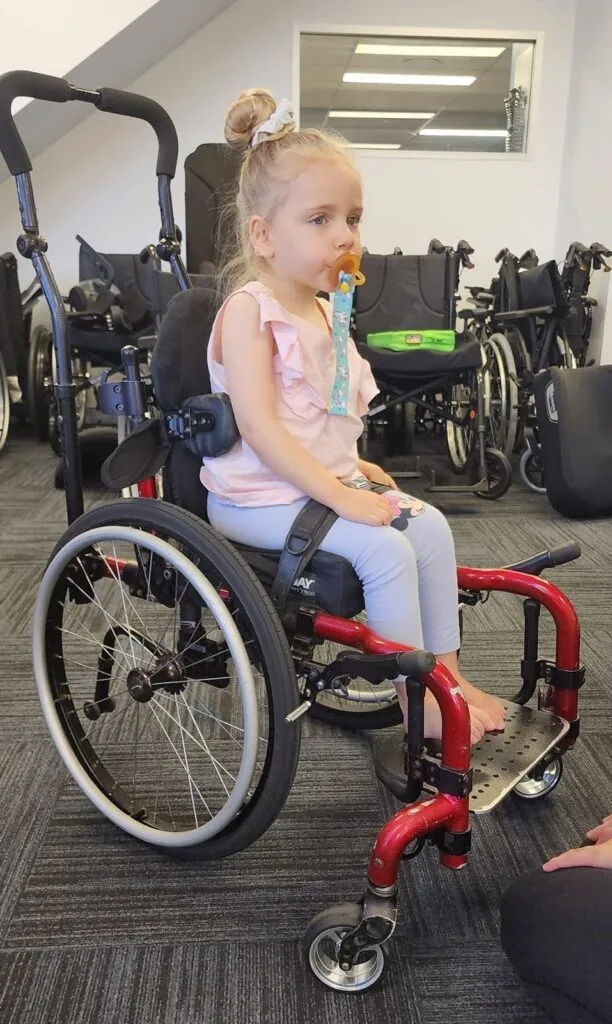
Consistent symptoms (up to 100%)
- Intellectual disability
- Decreased muscle tone (hypotonia)
- Speech impairment, often non-speaking
Frequent symptoms
- Variable cognitive impairment (most often severe)
- Variable seizure disorders
- Epilepsy intractable in < 20%
- Epileptic spasms
- Increased muscle tone (spasticity)
- Movement disorders, particularly ataxia or tremors (abnormal and uncoordinated movements of arms and legs)
- Behaviour disorders, including repetitive behaviours (stereotypies) or autism spectrum disorder
- GI dysregulation
By the numbers
- 1 : 30,000 estimated incidence rate
- 85% present with epilepsy
- 1 in 5 display autistic features
López-Rivera et al, 2020; Abramov et al, 2020; Stamberger et al, 2016.
Diagnosis
The diagnosis of a STXBP1-related disorder is currently made by looking at the DNA sequence of the STXBP1 gene via targeted genetic panels or whole-exome sequencing.
The estimated incidence rate for STXBP1 disorder is ~1:30,000, and STXBP1 was recently identified as one of the five most common genes for epileptic encephalopathies and related neurodevelopmental disorders.
Treatment
Currently, there are no curative, disease-altering, or specific therapies available for individuals with STXBP1 encephalopathy. Medical management is principally symptomatic and supportive. Treatments are multi-disciplinary and can include:

- Neurologists to aid in the management of seizures/epilepsy and movement disorders.
- Evaluations by physical, occupational, and speech therapists to identify needs for ongoing therapies and help develop skills.
- Physiatrists (rehabilitation specialists) to identify therapy and equipment needs and help optimise function.
- Dieticians for ensuring adequate growth; a dietician specialising in the ketogenic diet (KD) would be a necessary part of the treatment team if KD was initiated for seizure management.
- Neuropsychiatric testing to assess for cognitive impairments and intellectual disability.